
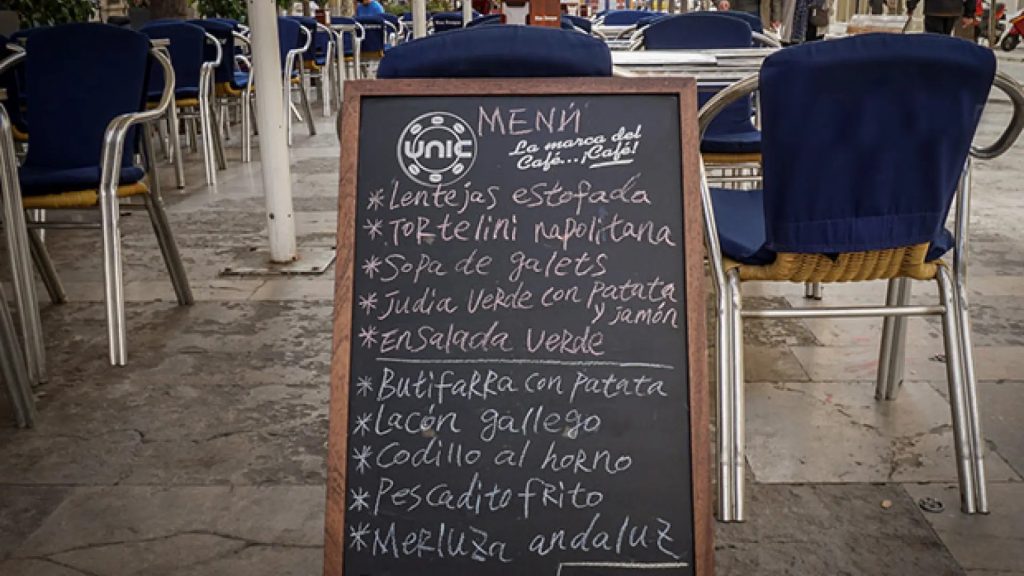
Eating out is a big part of everyday life in Spain, whether you live here full-time or you’re visiting on holiday. One of the first things many people notice when they sit down in a local bar or restaurant is that there are often two ways to order food: Menú del Día and La Carta. At first glance, this can be a little confusing—especially if you’re new to the area or unfamiliar with Spanish dining customs.
Understanding the difference between Menú del Día and La Carta can make a huge difference to your dining experience. It can help you eat like a local, avoid surprises when the bill arrives, and get the best value for money depending on the time of day and the type of meal you’re looking for. For residents, it’s often part of daily routine; for holidaymakers, it’s a chance to enjoy authentic Spanish food without overspending.
In this article, we’ll look at what Menú del Día and La Carta actually mean, how they differ, and when it makes sense to choose one over the other. Whether you’re living in the area, thinking of moving here, or simply enjoying a short break, knowing how these menus work will help you get more out of eating out in Spain.
What Is “Menú del Día”?
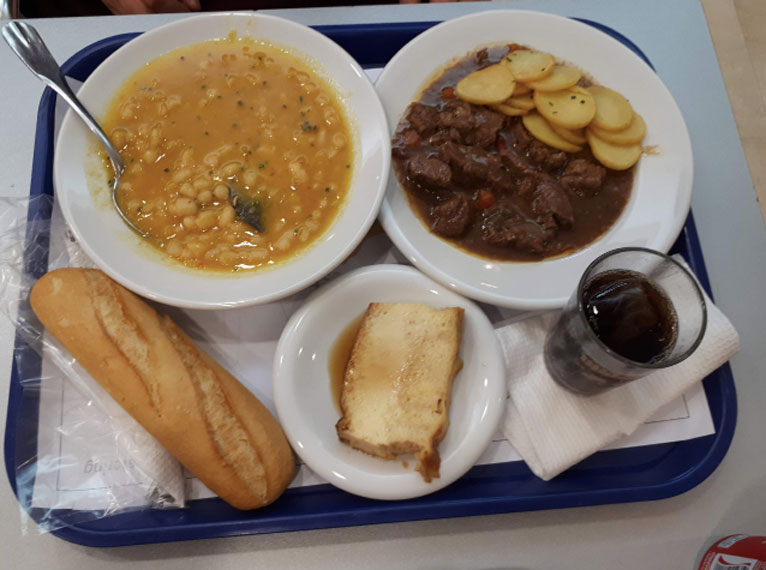
If you ask for a menu in a restaurant they will think you mean menu del dia
Menú del Día literally translates as “menu of the day” and is a fixed-price set lunch menu offered by many bars and restaurants across Spain. Originally introduced to ensure affordable, balanced meals for workers, it has become a cornerstone of Spanish food culture and remains extremely popular with locals.
A typical Menú del Día usually includes:
- A starter (primer plato)
- A main course (segundo plato)
- Dessert or coffee
- Bread
- A drink, often wine, beer, water, or a soft drink
While the exact dishes change daily or weekly, the focus is usually on hearty, home-style cooking rather than elaborate presentation. You might see classic options such as lentil stew, grilled fish, chicken in sauce, paella, or seasonal vegetables—often dishes that reflect local traditions and ingredients.
Menú del Día is normally available at lunchtime only, usually from around 1:00 pm until 3:30 or 4:00 pm on weekdays. In some areas it may also be offered on Saturdays, while Sundays and public holidays are more hit-and-miss. Prices vary depending on location and quality, but in many areas you can still expect to pay significantly less than you would ordering the same number of courses from La Carta.
One common misconception is that Menú del Día means low quality or small portions. In reality, many restaurants use it as a way to showcase their cooking, attract regular customers, and keep kitchens busy during the lunch rush. For those who know where to look, it often represents some of the best value dining available.
History of Menú del Día
The menú del día is so deeply embedded in Spanish daily life that many people assume it evolved naturally from traditional restaurant culture. In fact, its origins lie in a government tourism initiative during the Franco era.
In 1965, the Ministry of Information and Tourism, headed by Manuel Fraga, introduced the “menú turístico” as part of a broader effort to attract foreign visitors and modernise Spain’s image as an affordable holiday destination. Under a ministerial order issued on 17 March 1965, restaurants were required by law to offer a fixed-price meal that included a starter, a main course, bread, a drink and dessert. The government also regulated prices according to the category of the restaurant. The aim was to guarantee visitors a reasonably priced meal wherever they travelled in Spain.
What began as a measure aimed primarily at tourists quickly gained popularity with Spanish diners. As the format became established, the government relaxed some of the original regulations, and in 1970 the menú turístico was officially renamed the menú del día. Over the following decades it evolved from a tourism policy into a cornerstone of everyday Spanish dining.
The legal obligation to offer a fixed-price menu remained in place, in one form or another, for decades. Although the regulations were modified several times during Spain’s transition to democracy and afterwards, the requirement was not fully abolished until 2010, when regulatory reforms linked to the European Union’s Services Directive removed the national obligation for restaurants to provide a menú del día. Since then, restaurants have been free to decide whether or not to offer one.
Today, despite no longer being a legal requirement, the menú del día remains one of Spain’s most enduring culinary institutions—a rare example of a government tourism policy that became a cherished part of everyday local culture.
What Is “La Carta”?
Although La Carta literally translates to ‘the letter’, in restaurants it actually refers to the main menu of a restaurant, where each dish is ordered and priced individually. Instead of choosing from a limited set of options, you select exactly what you want, whether that’s a single dish, several starters to share, or a full three-course meal.
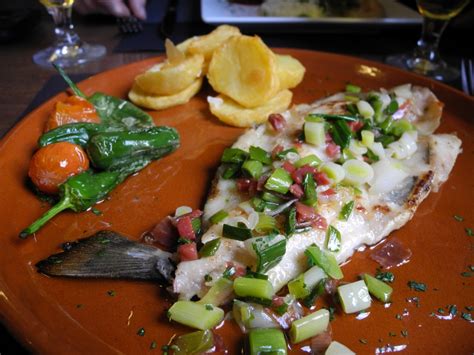
Ordering La Carta offers far more choice and flexibility. The menu usually includes a wide range of starters, mains, sides, and desserts, and in many restaurants it’s where you’ll find their signature dishes or more refined options. This is also the menu that’s typically available throughout the day and in the evening, long after Menú del Día has finished.
Because each item is priced separately, eating La Carta is generally more expensive than choosing Menú del Día—especially once drinks, desserts, and coffee are added. However, it allows you to tailor the meal to your appetite and preferences. If you don’t want a starter or would rather share dishes, La Carta gives you that freedom.
La Carta is often the preferred choice for:
- Evening meals
- Special occasions
- Relaxed, social dining
- Visitors who want to explore local dishes at their own pace
It’s also worth noting that menus can vary noticeably depending on the location. In tourist areas, La Carta menus may be larger, multilingual, and more internationally focused, while in more local neighbourhoods they tend to be shorter and centred on regional specialities and chefs’ specialities.
Key Differences Between Menú del Día and La Carta
| Feature | Menú del Día | La Carta |
|---|---|---|
| Price | Fixed, generally affordable | Pay per dish, usually higher |
| Choice | Limited daily options | Wide range, flexible |
| Time of Day | Lunchtime only | All day / evening |
| Portion Sizes | Generous | Varies, often smaller or shareable |
| Speed | Faster service | Slower, more relaxed |
| Best for | Workers, locals, budget diners | Special occasions, evening meals, flexibility seekers |
While both Menú del Día and La Carta are common features in Spanish restaurants, they offer very different dining experiences. Understanding these key differences can help you decide which option suits you best on any given day.
Price
Menú del Día is designed to be affordable. You pay one fixed price for a complete meal, which usually includes several courses, bread, and a drink. La Carta, on the other hand, prices each dish separately, meaning the final bill can be significantly higher depending on what you order.
Choice and Flexibility
With Menú del Día, your choices are limited to the dishes listed for that day. This can be a positive if you’re happy to eat what’s on offer and want a simple decision. La Carta provides far more flexibility, allowing you to choose exactly what you want, skip courses, or share dishes.
Time of Day
Menú del Día is almost always a lunchtime option, typically available on weekdays. La Carta is usually available all day and is the standard option for evening dining.
Portion Sizes
Menú del Día portions are often generous, reflecting its roots as a working lunch. La Carta portions may vary more, especially in restaurants where dishes are designed for sharing or where presentation and variety are prioritised.
Speed and Atmosphere
Menú del Día meals are generally served more quickly, catering to workers on a lunch break. The atmosphere is often lively and efficient. La Carta dining tends to be more relaxed, with no pressure to finish quickly, making it better suited to long lunches or evening meals.
Overall Experience
Menú del Día offers excellent value and a taste of everyday Spanish cooking. La Carta provides a more customised and leisurely dining experience, often with a broader selection of dishes and wines.
Which Should You Choose?
Choosing between Menú del Día and La Carta really depends on the type of meal you’re looking for, the time of day, and who you’re dining with. Both have their place, and many people who live in the area use them differently throughout the week.
For Locals and Workers
For those living and working locally, Menú del Día is often the go-to choice during the week. It’s quick, filling, and good value, making it ideal for a lunch break without the hassle of deciding what to order. Many people also use it as a way to eat a proper, cooked meal during the day and keep evenings lighter.
For Holidaymakers
If you’re on holiday, Menú del Día is a great way to experience authentic local food at a reasonable price. It’s particularly useful if you’re eating out most days and want to keep costs under control. La Carta, meanwhile, may be better suited to evenings, when you have more time to relax and enjoy the meal as part of the holiday experience.
For Families
Families often appreciate Menú del Día for its simplicity and value, especially when dining with children. However, La Carta can be the better option if younger diners are fussy or if you want to share dishes and order smaller portions.
For Special Occasions
Birthdays, anniversaries, or meals with visiting friends are usually better enjoyed from La Carta. The wider choice and slower pace make it easier to turn the meal into a social occasion rather than a functional one.
For Budget-Conscious Diners
If value for money is your priority, Menú del Día is hard to beat. That said, La Carta can still work well on a budget if you order carefully, share dishes, or skip extras like dessert and coffee.
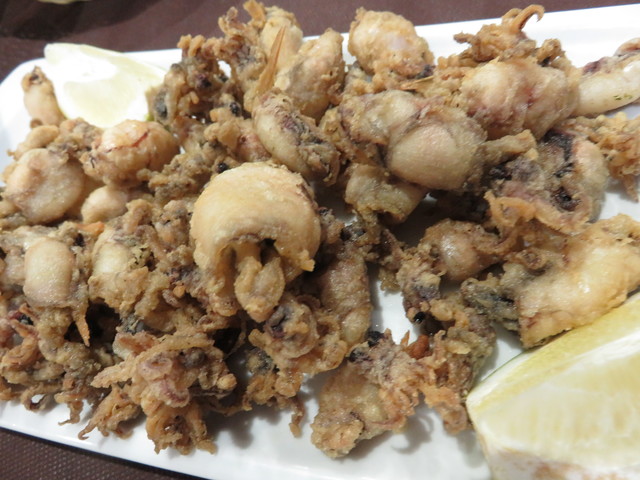
Tips for Ordering Like a Local
If you want to get the most out of eating in local bars and restaurants, a few insider tips can make all the difference. Spaniards tend to approach both Menú del Día and La Carta in a very practical way, and taking a leaf out of their book can help you avoid common pitfalls.
Look Beyond the Price
A very cheap Menú del Día isn’t always the best option. Take a moment to see how busy the place is with locals, especially midweek. A restaurant full of workers at lunchtime is usually a good sign that the food is decent and the menu changes regularly.
Ask What’s Included
Not all Menú del Día offers are identical. Some include wine, dessert, and coffee, while others don’t. If it’s not clearly stated, it’s perfectly normal to ask what’s included in the price—locals do it all the time.
Arrive Early for the Best Choice
Popular dishes can run out, particularly in smaller restaurants. Turning up earlier in the lunch service often gives you the best selection from the Menú del Día.
Don’t Be Afraid to Ask Questions
If you’re unsure what a dish is, ask. Menus aren’t always translated, and descriptions can be brief. Staff are generally happy to explain what’s on offer, especially in places used to serving non-Spanish speakers.
Watch the Extras
When ordering La Carta, keep an eye on extras like bread, sauces, or side dishes, which may be charged separately. These small additions can quickly add up if you’re not expecting them.
Follow Local Timing
Eating at local times—later lunches and dinners—often means a calmer atmosphere and better service. It can also reduce the chances of being rushed or missing out on popular dishes.
Seasonal and Regional Variations
One of the great things about eating in Spain is that Menú del Día and La Carta often change with the seasons and reflect the local area. Paying attention to these variations can give you a much better sense of the region’s food culture and help you choose dishes at their best.
Seasonal Changes
Menú del Día menus tend to follow the seasons closely. In cooler months, you’ll often see warming dishes such as stews, soups, lentils, and slow-cooked meats. During the warmer months, menus usually shift towards lighter options like salads, grilled fish, cold soups, and rice dishes. This seasonal approach keeps costs down for restaurants and ensures ingredients are fresh and flavoursome.
La Carta menus may change less frequently, but many restaurants still highlight seasonal specials or add temporary dishes when certain ingredients are at their peak. Asking about seasonal recommendations is a simple way to eat well and avoid dishes that are out of season.
Regional Influences
Local specialities often feature heavily on Menú del Día, making it an excellent introduction to regional cuisine. Depending on where you are, this might include seafood, rice dishes, mountain stews, or traditional meat-based recipes passed down through generations.
In contrast, La Carta menus—particularly in tourist areas—may include a broader mix of international dishes alongside local favourites. In more traditional neighbourhood restaurants, however, La Carta can still be deeply rooted in regional cooking.
Coastal vs Inland Areas
In coastal areas, fish and seafood are more likely to appear regularly on both Menú del Día and La Carta, often simply prepared and very fresh. Inland areas tend to focus more on meat dishes, hearty stews, and seasonal vegetables. These differences are subtle but noticeable and add to the enjoyment of eating out locally.
Is Menú del Día Always the Best Value?
Menú del Día is often praised for its excellent value, and in many cases that reputation is well deserved. A full meal with multiple courses, a drink, and sometimes even coffee for a fixed price is hard to beat. However, it isn’t always the best option, depending on how and what you like to eat.
If you have a smaller appetite, Menú del Día can sometimes feel like too much food. In those cases, ordering La Carta and choosing just one or two dishes may work out better, both financially and in terms of enjoyment. The same applies if none of the Menú del Día options particularly appeal to you that day.
Quality is another factor. While many restaurants take pride in their Menú del Día, others may use it to move less popular dishes or rely on simpler ingredients. With La Carta, you often have more control and can select dishes you know the restaurant does well.
Sharing is also worth considering. Ordering La Carta allows groups to share starters or mains, which can be a more social way to eat and sometimes better value overall. This flexibility is something Menú del Día doesn’t usually allow.
Finally, keep an eye on what’s included in the price. A Menú del Día that doesn’t include drinks, dessert, or coffee may not be quite as good a deal as it first appears once extras are added. Taking a moment to compare both options before ordering can help you decide which really offers the best value for that particular meal.
Final Thoughts
Whether you choose Menú del Día or La Carta, understanding how these dining options work can make a big difference to your experience of eating out in Spain. Menú del Día offers convenience, value, and a taste of traditional, everyday Spanish cooking, making it perfect for locals, workers, and holidaymakers looking for a hearty lunch. La Carta, by contrast, provides flexibility, choice, and a more leisurely experience, ideal for evenings, special occasions, or those who want to explore dishes at their own pace.
The best approach is often a mix of both. Enjoy Menú del Día during a busy lunch or when you want an authentic local experience, and turn to La Carta when you’re looking to linger over dinner or try something new and unique. Paying attention to local timing, seasonal dishes, and regional specialities can elevate your meals even further and help you truly dine like a local.
Next time you sit down in a Spanish restaurant, take a moment to consider the options. With a little knowledge, you can enjoy great food, discover local flavours, and make the most of your dining experience—whether you’re living in the area or simply visiting on holiday.