Nestled in the province of Almería in south-eastern Spain, Huércal-Overa is a town with a fascinating past that stretches back thousands of years. While many visitors know it for its beautiful churches, traditional festivals, and welcoming atmosphere, the history of Huércal-Overa reveals a story of ancient civilizations, medieval fortresses, and centuries of cultural change.
Ancient Origins
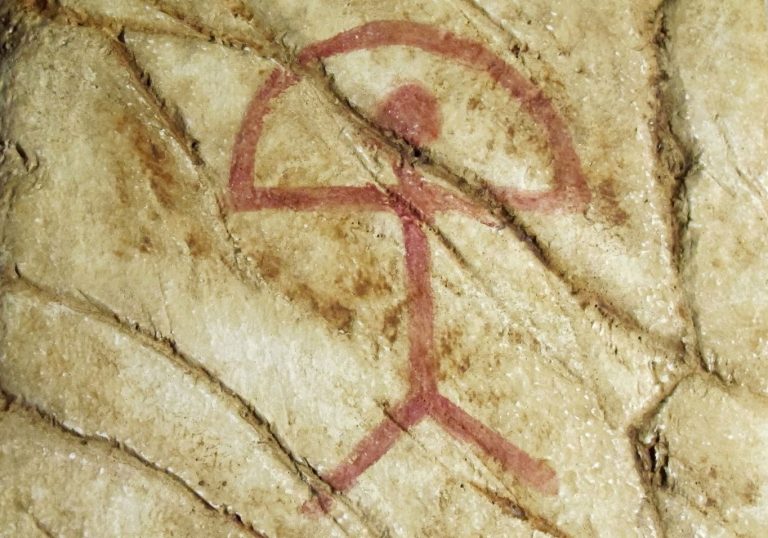
The history of Huércal-Overa begins long before the town itself existed. Archaeological discoveries in the surrounding area show evidence of human settlement dating back to prehistoric times.
One of the most important sites is Cerro Minado, where archaeologists have uncovered some of the oldest known copper mining activity in south-eastern Spain. These mines date back more than 4,000 years and demonstrate that early communities were already extracting and working metals during the Copper Age.
The region was also influenced by the El Argar civilization, one of the most advanced Bronze Age cultures on the Iberian Peninsula. Their presence helped shape the development of trade, agriculture, and metalworking throughout the area.
The Roman and Moorish Influence
Like much of southern Spain, the area around Huércal-Overa came under Roman rule. Although there are fewer visible Roman remains than in other parts of Andalusia, the Romans helped establish agricultural systems and trade routes that connected the region to the wider empire.
Following the fall of Rome, the area eventually became part of Al-Andalus during the Moorish period. This chapter of Huércal-Overa’s history had a lasting impact on local culture, architecture, and agriculture.
The names Huércal and Overa originally referred to separate settlements. Their strategic location near the frontier between the Kingdom of Granada and Christian territories made the area particularly important during the Middle Ages.
A Frontier Town During the Reconquista
For centuries, Huércal and Overa stood on a contested border between Muslim and Christian kingdoms. Because of this, the area became known for its defensive structures and military significance.
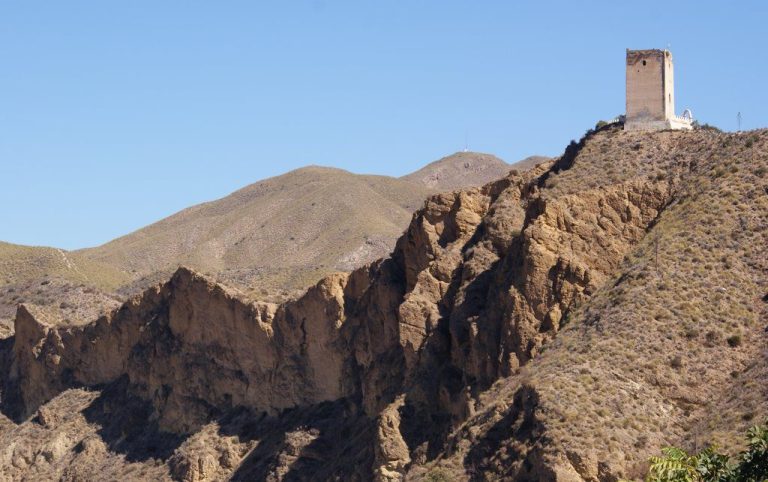
The remains of the old fortress, known today as the Castle of Huércal-Overa, are a reminder of this turbulent period. Built on elevated ground overlooking the surrounding countryside, the fortress helped protect local inhabitants and monitor movement through the region.
In 1488, during the Reconquista, the area was incorporated into Christian-controlled territory. This marked a major turning point in the town’s development and opened the door to a new era of growth.
Independence and the Birth of Huércal-Overa
One of the most significant dates in local history is 1668.
Until then, the area was administered by the city of Lorca in neighbouring Murcia. However, the residents of Huércal and Overa successfully obtained their independence from Lorca by purchasing the right to self-government from the Spanish Crown.
This event, known as the Exención de Villazgo, officially established Huércal-Overa as an independent municipality. It was a milestone that allowed the town to manage its own affairs and encouraged further economic and social development.
Today, many locals still take pride in this important moment in the town’s history.
Growth During the 18th and 19th Centuries
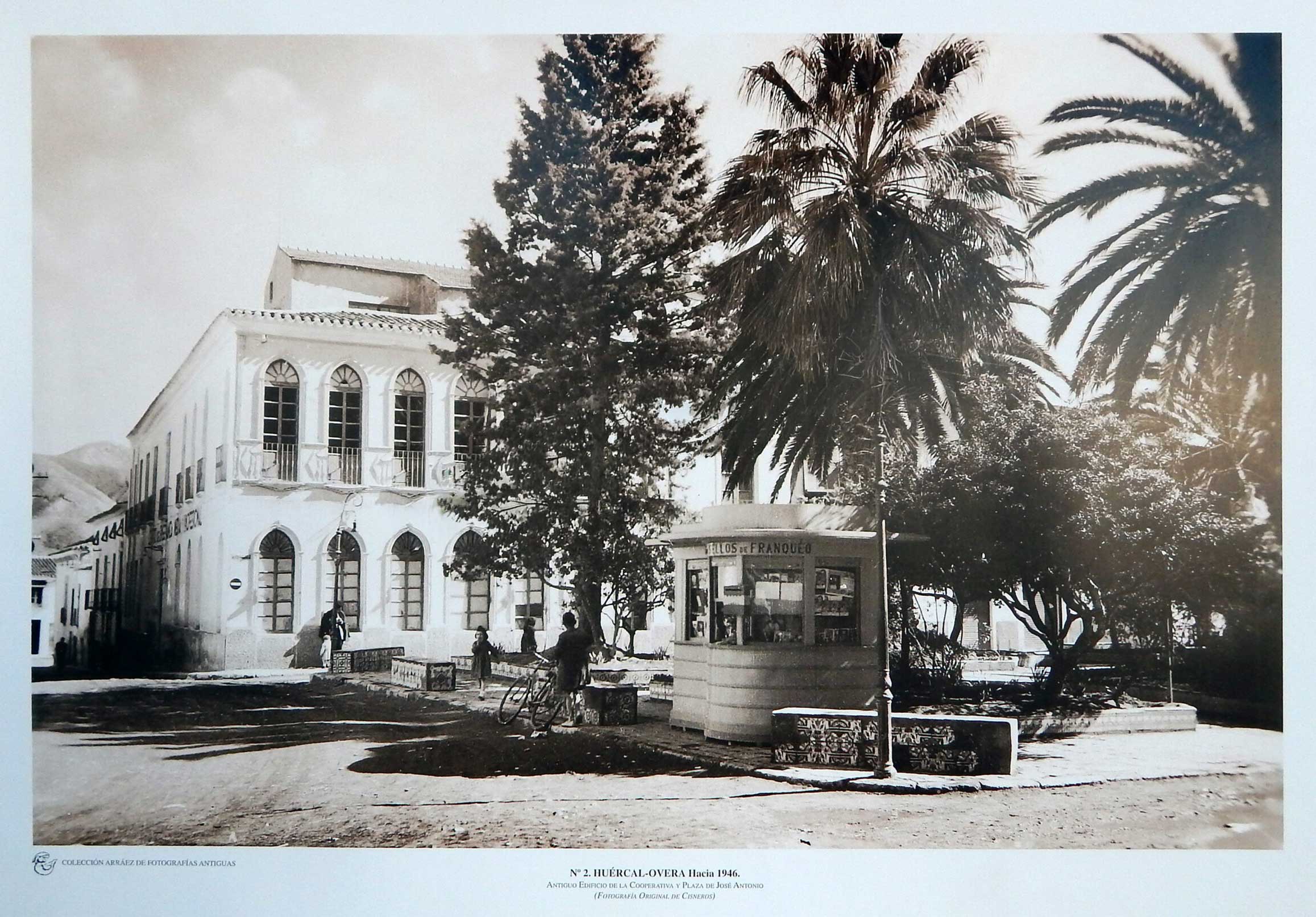
With greater stability came prosperity.
During the 18th century, Huércal-Overa experienced significant population growth. Agriculture became the backbone of the local economy, supported by fertile land and improving infrastructure.
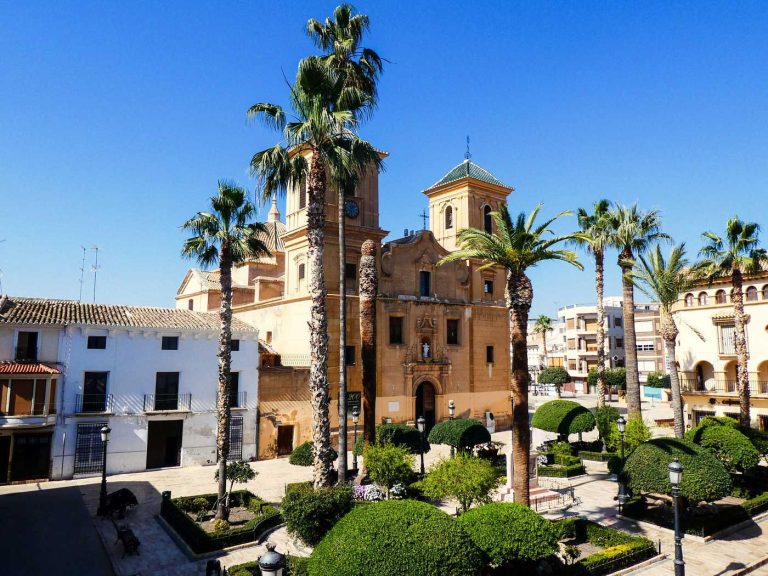
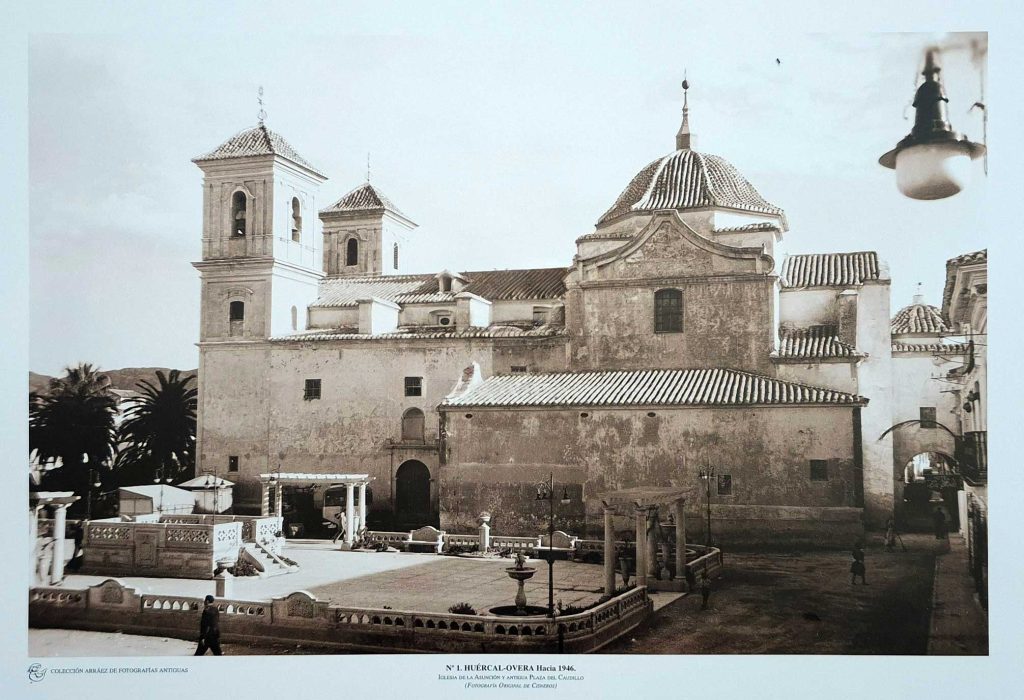
Many of the town’s most impressive historic buildings date from this period. The Church of Nuestra Señora de la Asunción, with its striking Baroque architecture and twin towers, remains one of the most recognisable landmarks in the municipality.
The 19th century brought further development, including improved communications and trade links. The arrival of the railway in 1891 connected Huércal-Overa to wider regional markets and helped stimulate economic growth.
Huércal-Overa in the Modern Era
Throughout the 20th century, Huércal-Overa continued to grow as a regional centre for agriculture, commerce, healthcare, and public services.
Today, the town combines its rich historical heritage with modern amenities. Visitors can explore centuries-old monuments, wander through traditional streets, and enjoy local festivals that preserve customs passed down through generations.
Events such as Semana Santa and Las Lumbres remain an important part of local identity, bringing together residents and visitors alike.
Exploring Huércal-Overa’s Historic Heritage
Anyone interested in the history of Huércal-Overa should make time to visit some of its most important landmarks:
- The Castle of Huércal-Overa
- The Church of Nuestra Señora de la Asunción
- The Pósito Municipal (historic grain store)
- The Palacete de las Cuatro Torres
- The Monument to Cura Valera
- The Plaza de Toros
Together, these sites tell the story of a town shaped by ancient civilizations, frontier conflicts, religious traditions, and centuries of community spirit.
Timeline of Key Events
🪨 Prehistory (c. 2500–1500 BC)
- Settlement in the area during the Copper and Bronze Ages.
- Mining activity at Cerro Minado, linked to the wider El Argar culture of southeastern Iberia.
- Early metallurgy and trade networks develop.
🏺 Roman & Late Antiquity (c. 2nd century BC – 5th century AD)
- Rural Roman presence in the region (villas, agriculture, roads).
- The area connected inland settlements with Mediterranean trade routes.
🕌 Islamic Period (8th–15th centuries)
- Part of Al-Andalus under Muslim rule.
- Two small fortified settlements emerge: Huércal and Overa.
- Frontier territory between the Kingdom of Granada and Christian Murcia — frequent instability but strategic importance.
⚔️ 1488 – Christian Conquest
- Incorporated into Christian lands during the Reconquista.
- Administratively dependent on the city of Lorca (Murcia).
👑 1668 – Independence (Exención de Villazgo)
- Residents purchase independence from Lorca.
- Huércal and Overa unite as one municipality: Huércal-Overa.
- Gains its own legal and administrative authority.
⛪ 18th Century
- Population growth and agricultural expansion.
- Construction of the Iglesia de Nuestra Señora de la Asunción (completed 18th century), a major Baroque landmark.
🚂 1891 – Arrival of the Railway
- Connection to regional rail lines boosts commerce.
- Strengthens links with Baza and Almendricos.
- Line eventually closes in the 1980s.
🌾 20th Century
- Agricultural economy (cereals, olives, livestock).
- Gradual modernization and development of services.
- Growth as a regional administrative and healthcare center.
🌍 21st Century
- Diversified economy: agriculture, services, and growing international community.
- Strong preservation of traditions such as:
- Las Lumbres (February bonfire festival)
- Semana Santa (Holy Week processions)
Final Thoughts
The history of Huércal-Overa is a fascinating journey through the many layers of Spain’s past. From prehistoric miners and Bronze Age settlers to Moorish rulers, Christian reconquerors, and modern-day residents, each generation has left its mark on the town.
Whether you’re visiting for a day or planning to make Huércal-Overa your home, understanding its history adds a deeper appreciation for everything this remarkable Andalusian town has to offer.