Discover the Medieval Fortress Overlooking the Town
Standing proudly above the rooftops of Huércal-Overa, the Castillo de Huércal-Overa is one of the town’s most important historical landmarks. Although much of the original fortress has been lost to time, the castle remains a fascinating reminder of the area’s medieval past and offers visitors some of the best views in the municipality.
A Fortress on the Frontier
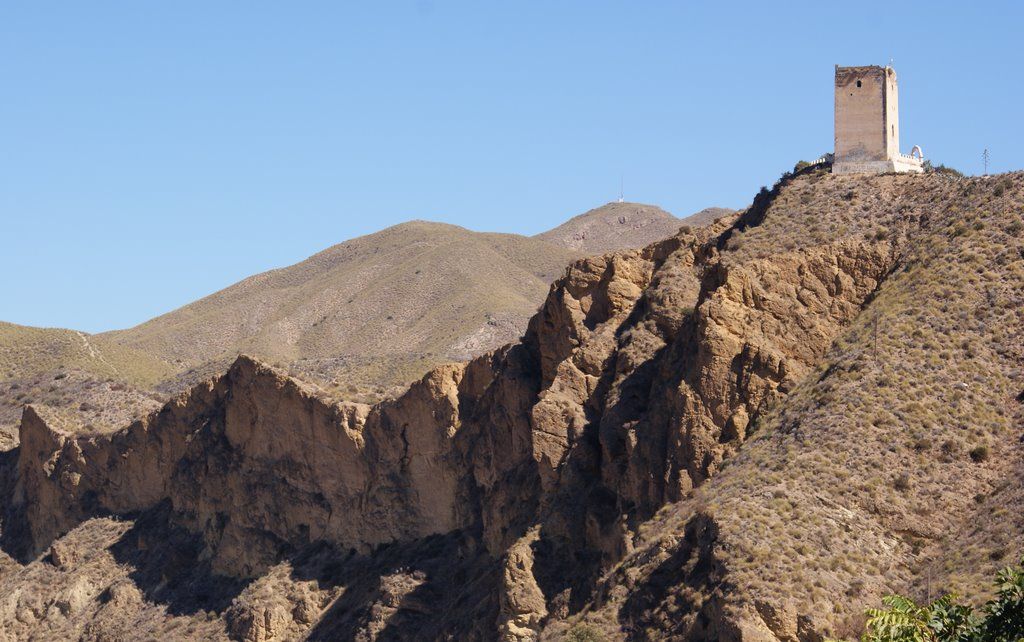
The Castillo de Huércal-Overa dates back to the period of Muslim rule in southern Spain. During the Middle Ages, this part of Almería formed part of Al-Andalus and was located close to the frontier between the Nasrid Kingdom of Granada and the Christian territories to the north.
What remains of the Castillo de Huércal-Overa is not the original fortress, but the surviving Nasrid tower and traces of the larger medieval fortification that once guarded this frontier town.
Because of its strategic position, Huércal-Overa became an important defensive location. The castle was built on high ground overlooking the surrounding valleys, allowing guards to monitor movement across the region and provide early warning of potential attacks.
For centuries, the area was part of a contested frontier zone where military and political tensions were common. The fortress played a key role in protecting local settlements and maintaining control of important routes through south-eastern Spain.
The Nasrid Legacy
Most historians believe that the surviving remains of the castle date from the 14th century during the Nasrid period, although earlier defensive structures may have existed on the site.
The Nasrid dynasty was the last Muslim kingdom to rule in Spain, governing the Kingdom of Granada from the 13th century until the Reconquista in 1492. The castle at Huércal-Overa formed part of a wider network of watchtowers, fortifications, and defensive positions that helped protect the kingdom’s borders.
Although much of the original structure has disappeared, archaeological investigations have revealed that the castle was more than a simple watchtower. It once included defensive walls, living quarters, storage areas, and military facilities that supported a permanent presence on the hill.
A Castle with a Unique Mystery
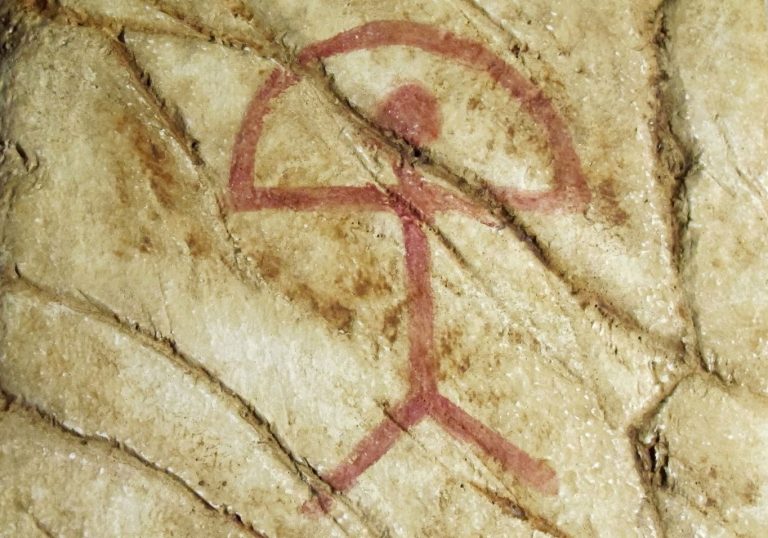
One of the most intriguing discoveries at the Castillo de Huércal-Overa is a rare carving known as the “Tree of Life.”
This decorative symbol is engraved into one of the surviving walls and is considered highly unusual. Similar motifs have been found in parts of the Islamic world, but examples in Spain are extremely rare.
The exact meaning of the carving remains open to interpretation. Some researchers believe it symbolised prosperity, spiritual growth, or protection, while others see it as a decorative artistic feature.
Whatever its original purpose, it adds another layer of mystery to this historic site.
The Christian Conquest
The castle witnessed one of the most significant events in local history when the region came under Christian control during the Reconquista.
In 1488, Christian forces incorporated the area into territories controlled by the Crown of Castile. As the frontier moved southwards and military threats diminished, the strategic importance of the castle gradually declined.
Over time, parts of the fortress fell into disrepair. Stones from old fortifications were often reused in new construction projects, a common practice throughout Spain.
Despite this gradual decline, the castle remained a powerful symbol of the town’s history and identity.
Restoration and Preservation
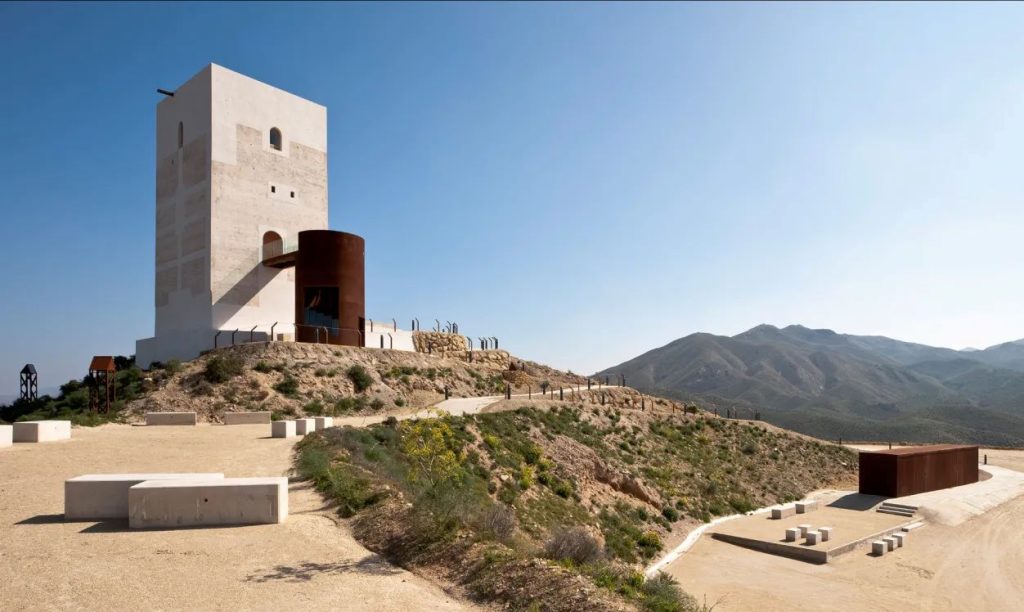
In recent years, efforts have been made to preserve and study the remaining sections of the fortress. Restoration efforts began in the early 2000s. The local council and heritage bodies carefully removed unsympathetic additions, stabilised the remaining walls, and exposed the original mud‑brick and stonework. The project respected the building’s medieval character while making it accessible to visitors. By around 2010, the tower had regained much of its former presence and now stands as one of Huércal‑Overa’s most recognisable landmarks.
Archaeological excavations have helped historians better understand the original layout of the castle and its role within the medieval frontier system. Today, visitors can explore the restored areas and learn more about the site’s history through information panels and local heritage initiatives.
The castle has been recognised as an important cultural asset and continues to be one of Huércal-Overa’s most significant historical attractions.
The Best Views in Huércal-Overa
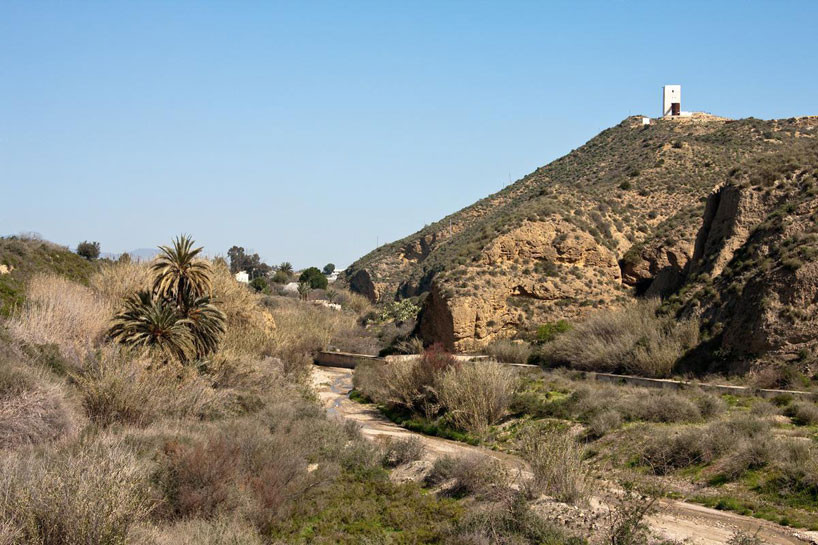
While history is the main reason many people visit, the castle is also one of the best viewpoints in the area.
From the hilltop, visitors can enjoy panoramic views across Huércal-Overa, the surrounding countryside, and the distant mountain ranges that shape the landscape of eastern Andalusia.
Photographers particularly enjoy visiting during sunrise or sunset when the light highlights both the historic town centre and the rolling countryside beyond.
It’s easy to see why medieval builders chose this location for a fortress. The commanding views stretch for miles in every direction.
Visiting the Castillo de Huércal-Overa
The castle is located within easy walking distance of the historic centre and can be combined with visits to several other important landmarks, including:
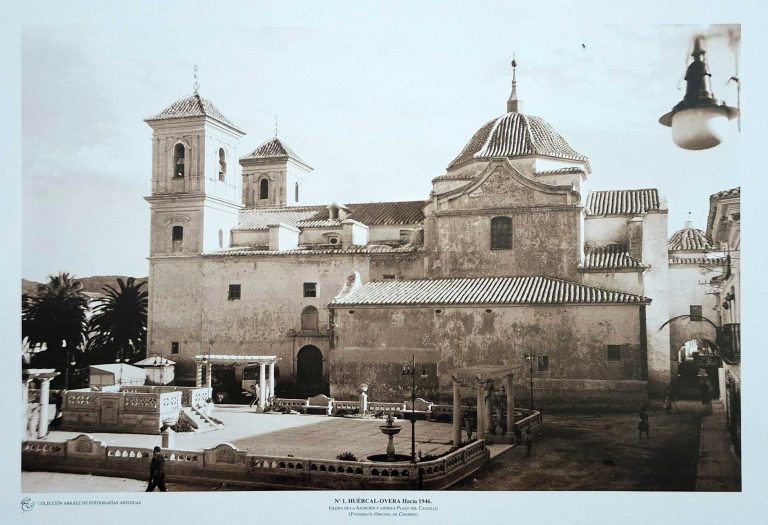
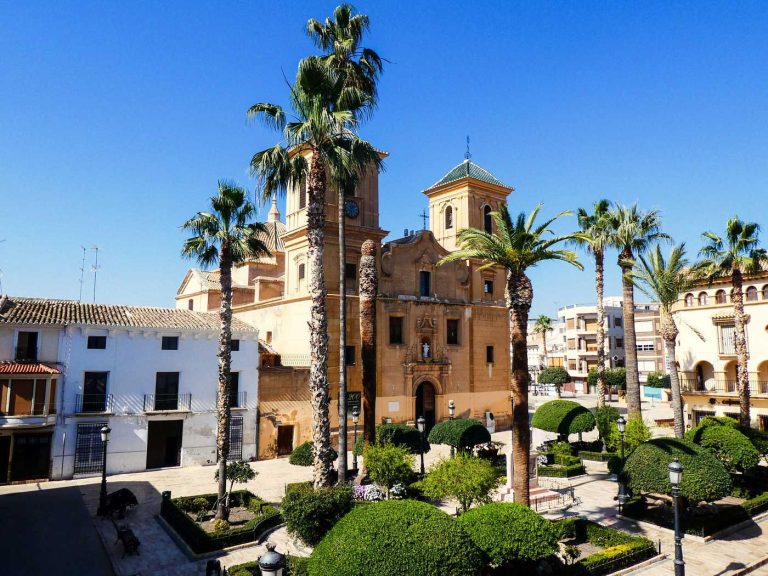
- The Church of Nuestra Señora de la Asunción
- The Pósito Municipal
- The Palacete de las Cuatro Torres
- The Monument to Cura Valera
Together, these sites provide a fascinating introduction to the history and heritage of Huércal-Overa.
Tips for Visiting
- Timing: Late afternoon is ideal for both light and temperature. The golden hour (the period shortly after sunrise and before sunset when the sunlight is softer and redder) makes the old stones glow and the valley views even more spectacular.
- Footwear: The ground around the tower is uneven, so sturdy comfortable shoes are recommended.
- Photography: Capture wide shots including the valley, or focus on the restored stonework for historical texture.
Why the Castle Matters Today
What makes Castillo de Huércal-Overa special is not just its age, but its story. From a Nasrid frontier lookout to a ruined post-Reconquista relic, and now a restored cultural landmark, it represents over seven centuries of history in Huércal‑Overa. Visiting it gives a real sense of the town’s medieval roots and the strategic importance of the Almanzora valley.
Whether you’re a history buff, a photographer, or a casual traveller, El Castillo is a compelling stop on any tour of Almería’s inland towns. It’s proof that some of the region’s most interesting stories are tucked away off the beaten track, waiting to be discovered.