Introduction & First Impressions
Huércal-Overa (pronounced roughly “WER-kal oh-BEH-rra”) is the administrative heart of the eastern Almería region and one of the most important towns in this part of inland Andalucia. Sitting in the municipality of the same name, and just a short drive from the Murcia border, it serves as a hub for shopping, healthcare, services, and day-to-day life for many surrounding villages and countryside communities.
At first glance, Huércal-Overa feels like a proper working Spanish town rather than a resort. Life here is authentic, busy in the mornings, pleasantly social in the evenings, and refreshingly free from mass tourism. You’ll find a mix of traditional Spanish families, long-established expats, and newer arrivals drawn by the affordable property, warm climate, and relaxed pace of life.
The town has a practical, lived-in feel — not polished for postcards, but full of everyday charm, and it quickly grows on you. Expect bustling cafés, lively plazas, local gossip, and the comforting hum of normal Spanish life. It’s the kind of place where you can pop out for bread and end up staying for a coffee and a chat.
Huércal-Overa suits:
- 🏡 Permanent residents looking for good amenities
- 🌞 Holiday homeowners wanting a real Spanish town
- 👨👩👧 Families needing schools and healthcare nearby
- 🚗 Those happy to drive to beaches and countryside
- 🧘 People who prefer practicality over tourist glitz
It’s not flashy, but it’s dependable, friendly, and surprisingly convenient — and for many people moving to the area, it becomes the anchor point for daily life.
Location & Accessibility
Huércal-Overa is exceptionally well placed for getting around this part of Almería province and into neighbouring Murcia, which is one of the reasons it has grown into such an important local centre. It sits just off the A-7 (Autovía del Mediterráneo), making road travel straightforward and surprisingly stress-free by Spanish standards.
Driving times are very manageable:
- Vera & Mojácar coast – approx. 35–40 minutes
- Águilas (Murcia) – approx. 45 minutes
- Lorca – approx. 40 minutes
- Almería city – approx. 1 hour 15 minutes
- Murcia city – approx. 1 hour 20 minutes
For air travel, you have a choice:
- Almería Airport – approx. 1 hour, smaller, quieter, seasonal routes
- Murcia International Airport (Corvera) – approx. 1 hour, increasingly popular, good international links
- Granada Airport – approx. 2 hours, smaller, quieter, seasonal routes
- Alicante Airport – approx. 2 hours, but excellent year-round connections
Public transport exists but is more practical for occasional use than daily life. There are regular bus services connecting Huércal-Overa with nearby towns such as Vera, Lorca, and Almería, though services are limited in the evenings and on Sundays. A car is not essential if you live centrally, but it becomes very useful — especially if you plan to explore the surrounding villages or beaches.
Parking is generally easy by Spanish town standards. While the centre can be busy at peak times, there are plenty of side streets and public parking areas, and most errands can be done on foot once you’re in town.
Overall, Huércal-Overa offers one of the best balances in the area: excellent road access, manageable distances, and none of the congestion you’d expect from a town with this level of infrastructure.
Climate
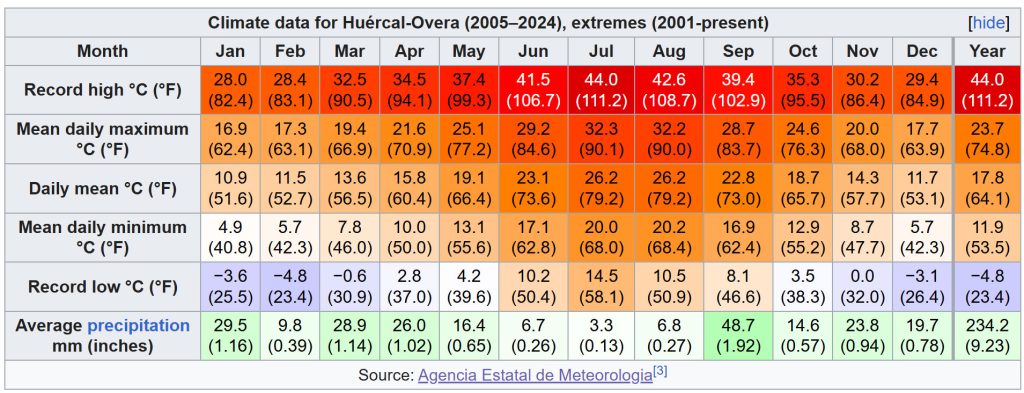
Huércal-Overa enjoys a warm, semi-arid Mediterranean climate typical of inland eastern Almería. The area experiences long, hot summers with abundant sunshine and very little rainfall, while winters are generally mild and relatively dry. Annual rainfall is low compared with most of Spain, usually concentrated in autumn and, to a lesser extent, spring, with extended dry periods common during the summer months.
Average annual temperatures are around 17°C, with summer highs frequently exceeding 30°C during July and August. Winter daytime temperatures are usually comfortable, often reaching the mid-teens, while nights can be noticeably cooler due to the town’s inland location. Frost is uncommon and snowfall is virtually unknown in the town itself.
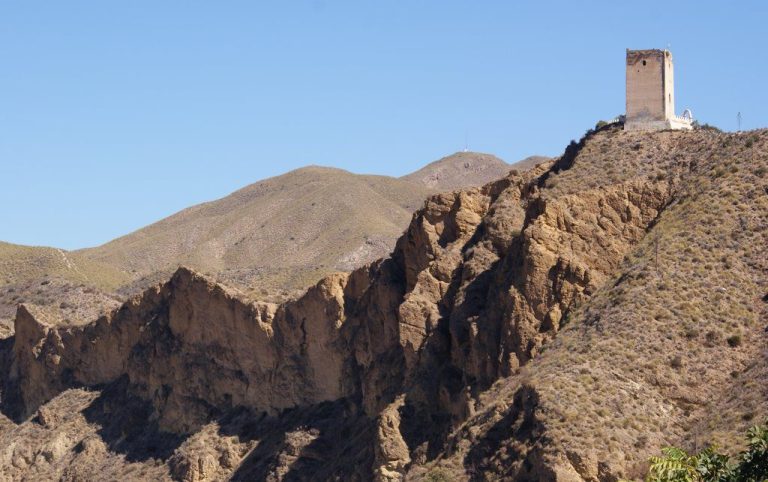
The surrounding landscape reflects these climatic conditions, with dry riverbeds, scrub-covered hills and drought-resistant vegetation characteristic of southeastern Spain. Despite the aridity, the fertile valley of the Almanzora River has supported agriculture for centuries, benefiting from irrigation and the region’s high number of sunshine hours each year. The combination of warm temperatures, low humidity and clear skies makes Huércal-Overa an attractive destination throughout much of the year.
A Bit of History & Character
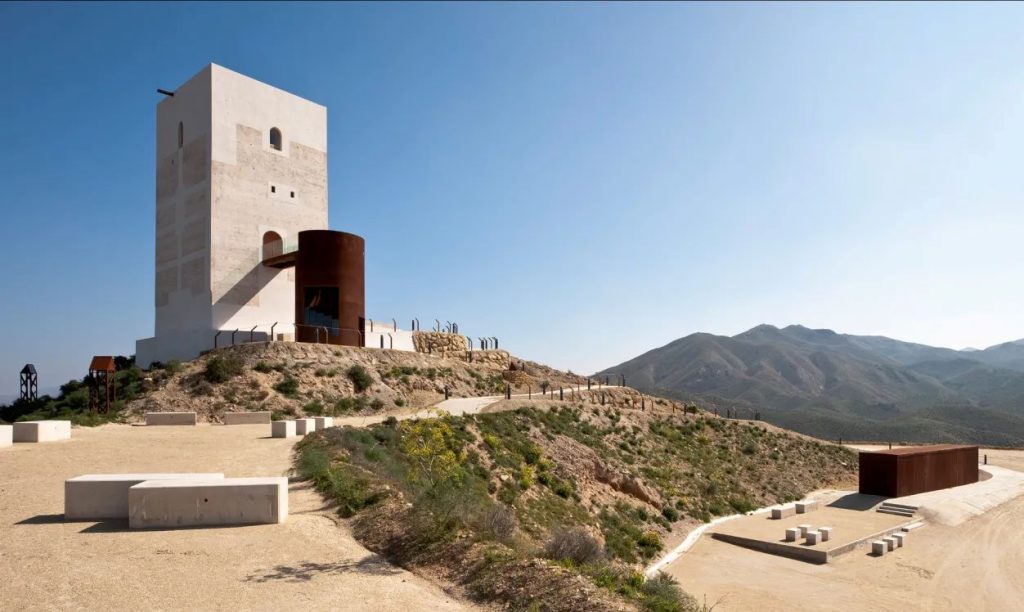
Huércal-Overa has a long and layered history that quietly shapes the town you see today. The area has been settled since ancient times, with influences from the Romans and later the Moors, but the town’s real growth came after the Christian reconquest in the late 15th century, when it began to develop as an agricultural and administrative centre.
Historically, Huércal-Overa has been closely linked to farming and trade, serving the surrounding countryside with markets, services, and infrastructure. This practical role still defines its character today. It’s a town built to function, not to impress — and that’s very much part of its charm.
Architecturally, you’ll notice a mix of:
- Traditional Andalucian townhouses
- Wider more modern streets than many older villages
- Small plazas that act as social hubs
- A blend of old stone buildings and more recent developments
The town feels distinctly Spanish and proudly local. There’s no attempt to reinvent itself for tourism, and very little is done “for show.” Life follows a familiar rhythm: mornings are busy, afternoons slow down for lunch and siesta, and evenings bring people back out onto the streets and into cafés.
One of Huércal-Overa’s defining traits is its self-sufficiency. Unlike smaller villages that depend heavily on nearby towns, Huércal-Overa is the town others depend on. That brings a certain confidence and energy — it’s a place where things happen, paperwork gets done (eventually!), and daily life keeps ticking along.
Despite its size, it hasn’t lost its sense of community. People stop to chat, shopkeepers remember faces, and newcomers who make a small effort are generally welcomed with warmth (and curiosity).
Daily Life & Amenities
Daily life in Huércal-Overa is one of its biggest strengths. This is a town that works — and works well — for both locals and newcomers. Most things you need on a regular basis are either within walking distance or a very short drive away.
For shopping, Huércal-Overa is exceptionally well served for an inland town. You’ll find:
- Several large supermarkets (including Spanish and international favourites)
- Traditional bakeries, butchers, and fruit shops
- Hardware stores, furniture shops, and homeware outlets
- Banks, phone shops, and all the usual administrative offices
- A market twice a week selling a variety of local items
Healthcare is one of the major reasons many people choose to live here. Huércal-Overa is home to the Hospital La Inmaculada, a modern public hospital that serves a wide area of northern Almería. There are also private clinics, dentists, physiotherapists, and pharmacies dotted throughout the town. For peace of mind, this is a huge plus — especially for full-time residents and retirees.
Families are well catered for, with:
- Nurseries and primary schools
- Secondary schools and colleges
- Sports facilities and activity centres
Café culture is very much part of everyday life. Mornings start with coffee and tostada, often standing at the bar, while afternoons and evenings see friends and families meeting for a drink or tapas. Restaurants range from simple menú del día options to more modern Spanish and international cuisine.
The twice-weekly market, held on Mondays and Thursdays, is a local highlight, bringing stalls of fresh produce, clothing, and household goods into town and adding a lively buzz to the streets. You’ll also notice mobile vendors regularly passing through nearby neighbourhoods — bread, fruit, and even household items delivered the old-fashioned way.
In short, Huércal-Overa offers the convenience of a much larger town without the stress. Life here is practical, social, and refreshingly uncomplicated.
Property & Living There
Property in Huércal-Overa is one of the main draws for people moving to this part of Almería. Compared to coastal resorts and larger cities, prices remain remarkably reasonable, especially when you factor in the level of amenities the town offers.
The town provides a wide variety of property types:
- Apartments in the town centre, ideal for those who want to walk everywhere
- Traditional townhouses, often with roof terraces and plenty of character
- Modern flats and developments on the edges of town
- Country properties and cortijos just a few minutes’ drive away
Whether you’re looking to buy or rent, there are options to suit most budgets. Rentals are in steady demand from healthcare workers, teachers, and long-term residents, while buyers are often a mix of Spanish families and international residents choosing Huércal-Overa as a permanent base rather than a holiday destination.
One of the town’s strengths is that it’s very much lived in year-round. Unlike coastal areas that quieten down outside the summer season, Huércal-Overa maintains a consistent rhythm. Shops stay open, cafés stay busy, and there’s no sense of the town “closing” in winter.
Expat residents are present but not overwhelming, which many people see as a positive. Integration is generally straightforward, especially if you make a small effort with the language and take part in everyday town life. You’ll hear Spanish far more than English — and that’s usually part of the appeal.
For those considering nearby countryside living, Huércal-Overa works well as a base town. You get rural peace without sacrificing access to supermarkets, healthcare, schools, and services — a combination that’s surprisingly hard to find.
Things to See & Do
Huércal-Overa may not shout about its attractions, but spend a little time here and you’ll discover there’s plenty to keep both residents and visitors pleasantly occupied. Life revolves less around “must-see sights” and more around everyday enjoyment, socialising, and local events.
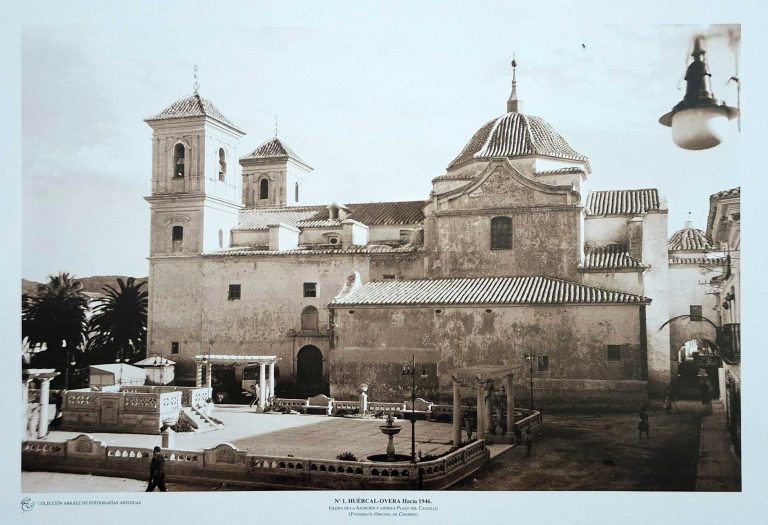
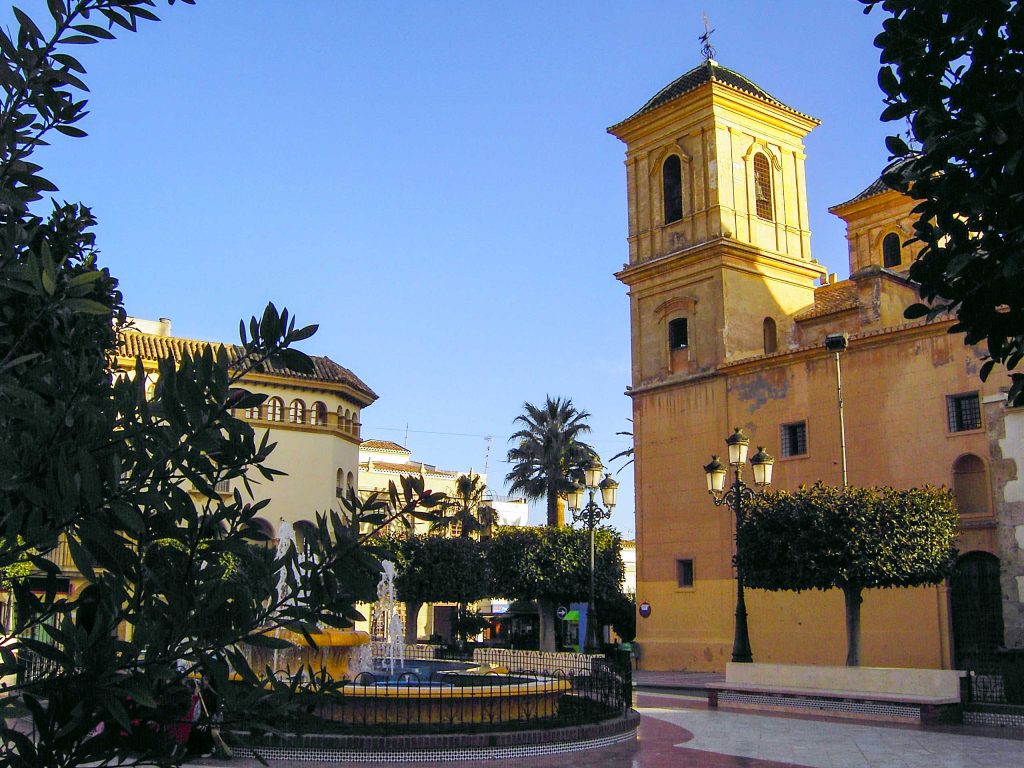
In the town centre, the main plazas and streets are where much of the action happens. These are ideal places to sit with a coffee, watch the world go by, and soak up the rhythm of Spanish town life. The Parish Church of Nuestra Señora de la Asunción is one of the town’s key landmarks, anchoring the historic centre and often acting as a focal point during festivals and religious events.
For those who enjoy staying active, Huércal-Overa offers:
- Municipal sports centres and gyms
- Football pitches, padel courts, and swimming facilities
- Walking routes around the outskirts of town and into the surrounding countryside
Cultural life tends to be community-led rather than tourist-focused. Local fiestas and celebrations are a big part of the calendar, with Semana Santa (Easter) being particularly important and well attended. These events bring the town to life with processions, music, and a strong sense of local pride.
Huércal-Overa also works well as a base for exploration. Within a short drive you can reach:
- The beaches of Vera, Mojácar, and San Juan de los Terreros
- The rugged inland landscapes of northern Almería
- Traditional villages and market towns in both Almería and Murcia
For day-to-day living, much of the pleasure comes from simple routines — a morning walk, a gym session, meeting friends for tapas, or joining in with local festivities when they come around. It’s not about ticking off attractions; it’s about settling into a lifestyle.
Food & Drink Highlights
Food and drink in Huércal-Overa are very much woven into everyday life, and the town does a good job of keeping things both traditional and unpretentious. This is not a place of flashy dining trends — it’s about good value, generous portions, and familiar flavours done well.
Café culture is strong. Mornings typically start with a coffee and tostada, often topped with tomato, olive oil, or jamón. You’ll see locals stopping in briefly on their way to work or lingering a little longer with the morning paper and a chat.
At lunchtime, the menú del día reigns supreme. Many bars and restaurants offer excellent-value set menus, usually including:
- A choice of starters
- A hearty main course
- Bread, drink, and dessert or coffee
Tapas are a big part of social life, especially in the evenings. Drinks are often accompanied by small plates, and hopping between bars is common. The tapas here tend to be classic rather than experimental — think grilled meats, seafood, stews, and seasonal dishes.
Local cuisine reflects the agricultural roots of the area. You’ll regularly see dishes featuring:
- Pork, lamb, and chicken
- Fresh vegetables and legumes
- Simple rice and casserole-style meals
There’s also a growing choice of international and modern Spanish options, catering to a mixed population without losing the town’s identity. Whether you want something quick and casual or a more relaxed evening meal, there’s plenty of choice within a small radius.
One thing newcomers often notice is the timing. Lunch is late, dinner even later, and some kitchens close between services. Once you adapt to local hours (or plan around them), eating out becomes one of the easiest ways to feel part of the community.
Community & Atmosphere
Huércal-Overa has a strong sense of everyday community — not the “everyone knows everyone” feel of a tiny village, but the comfortable familiarity of a town where people recognise faces and routines. It’s busy without being overwhelming, social without being intrusive.
The population is predominantly Spanish, with a noticeable but well-integrated international community. Expats tend to be long-term residents rather than short-stay visitors, which helps create a grounded, stable atmosphere. English is spoken in some settings, but Spanish is very much the main language of daily life — something many people see as part of the appeal.
Newcomers who make even a small effort are generally welcomed. A friendly “hola,” regular visits to the same café, or getting involved in local activities goes a long way. Over time, Huércal-Overa feels less like a place you live in and more like a place you belong to.
Noise levels are fairly typical for a Spanish town. Most days are calm, especially outside the centre, but things do liven up:
- During local fiestas
- On weekend evenings
- Around busy café areas
That said, it’s rarely rowdy, and there’s a good balance between liveliness and peace.
There are various sports clubs, social groups, and informal gatherings, often centred around gyms, cafés, or community spaces. Life here is social, but not forced — you can be as involved or as private as you like.
Overall, the atmosphere is practical, friendly, and reassuringly normal. It’s a town where people get on with life, look out for each other in small ways, and value routine, family, and shared moments.
Pros & Cons
No place is perfect, and Huércal-Overa is no exception. What makes it appealing to some people may be exactly what others find less attractive. An honest look at the positives and drawbacks helps set realistic expectations.
Pros
- Excellent amenities for an inland town, including a major hospital
- Good road connections to beaches, Murcia, and the rest of Almería
- Year-round life with no seasonal shutdown
- Affordable property compared to coastal areas
- Authentic Spanish atmosphere with limited mass tourism
- Practical and convenient for day-to-day living
Cons
- Not a tourist town — those wanting beaches on the doorstep may feel it’s too inland
- Car strongly recommended, especially for exploring or rural living
- Very hot summers, typical of this part of Andalucía
- Limited nightlife beyond bars and social evenings
- Less “polished” than coastal resorts — it’s real life, not a brochure
For many residents, the pros far outweigh the cons — particularly if you value convenience, community, and authenticity over scenery and spectacle.
Who This Area Is Perfect For
Huércal-Overa appeals most to people who are looking for real, everyday Spain rather than a holiday resort atmosphere. It tends to attract those who value practicality, good services, and a sense of normal life over sea views and nightlife.
This town is particularly well suited to:
- Permanent residents who want reliable amenities close at hand
- Retirees looking for affordability, healthcare, and year-round activity
- Families needing schools, sports facilities, and space to settle
- Remote workers who prefer a functioning town with good infrastructure
- People integrating into Spanish life, rather than living in an expat bubble
It also works well for:
- Holiday homeowners who want a base away from busy coastal resorts
- Those who enjoy driving out to beaches, countryside, and nearby towns
- Anyone who appreciates routine, familiarity, and community over novelty
Huércal-Overa is less ideal for people seeking:
- A walk-to-the-beach lifestyle
- Busy nightlife or entertainment scenes
- A heavily international or tourist-focused environment
In short, if you’re looking for a place that supports long-term living rather than short-term escape, Huércal-Overa fits the bill extremely well.
Practical Tips
Living in or visiting Huércal-Overa is generally straightforward, but a few local realities are worth knowing in advance — especially if you’re new to inland Andalusia.
Timing matters. Shops and offices tend to open early, close for lunch and siesta, and reopen later in the afternoon. Not everything sticks rigidly to this pattern, but it’s best to plan errands for the morning where possible. Sundays are very quiet, with most shops closed.
The summer heat is intense, particularly in July and August. Locals adapt by slowing down, staying indoors during the hottest hours, and becoming more active in the evenings. Good air conditioning and shutters are more than luxuries here — they’re practical necessities.
A car isn’t strictly essential if you live centrally, but it quickly becomes very useful. From accessing surrounding villages to reaching beaches and airports, driving gives you freedom and flexibility.
Language-wise, Huércal-Overa is an excellent place to improve your Spanish. English is spoken in some settings, but not everywhere, and locals generally appreciate even basic efforts. You don’t need to be fluent — just willing.
Finally, patience goes a long way. Things may take longer than expected, paperwork can be bureaucratic, and plans sometimes shift. It’s all part of the rhythm of Spanish life — and once you accept that, day-to-day living becomes far more enjoyable.
Final Thoughts
Huércal-Overa is not a town that tries to impress you straight away — and that’s exactly its strength. It reveals itself slowly, through routines, familiar faces, and the comfort of knowing that everything you need is close by.
For many people, it becomes less of a destination and more of a foundation. A place where life feels manageable, connected, and refreshingly normal. The town balances Andalusian tradition with modern practicality, offering healthcare, schools, shopping, and social life without the pressure or polish of more tourist-driven areas.
If you’re considering a move to this part of Almería, Huércal-Overa is often the place where things fall into place. It may not have sea views or postcard streets, but it offers something far more valuable for long-term living: stability, convenience, and a genuine sense of belonging.
As a base for exploring the wider region — or as a home in its own right — Huércal-Overa quietly gets on with the job, and does it very well.