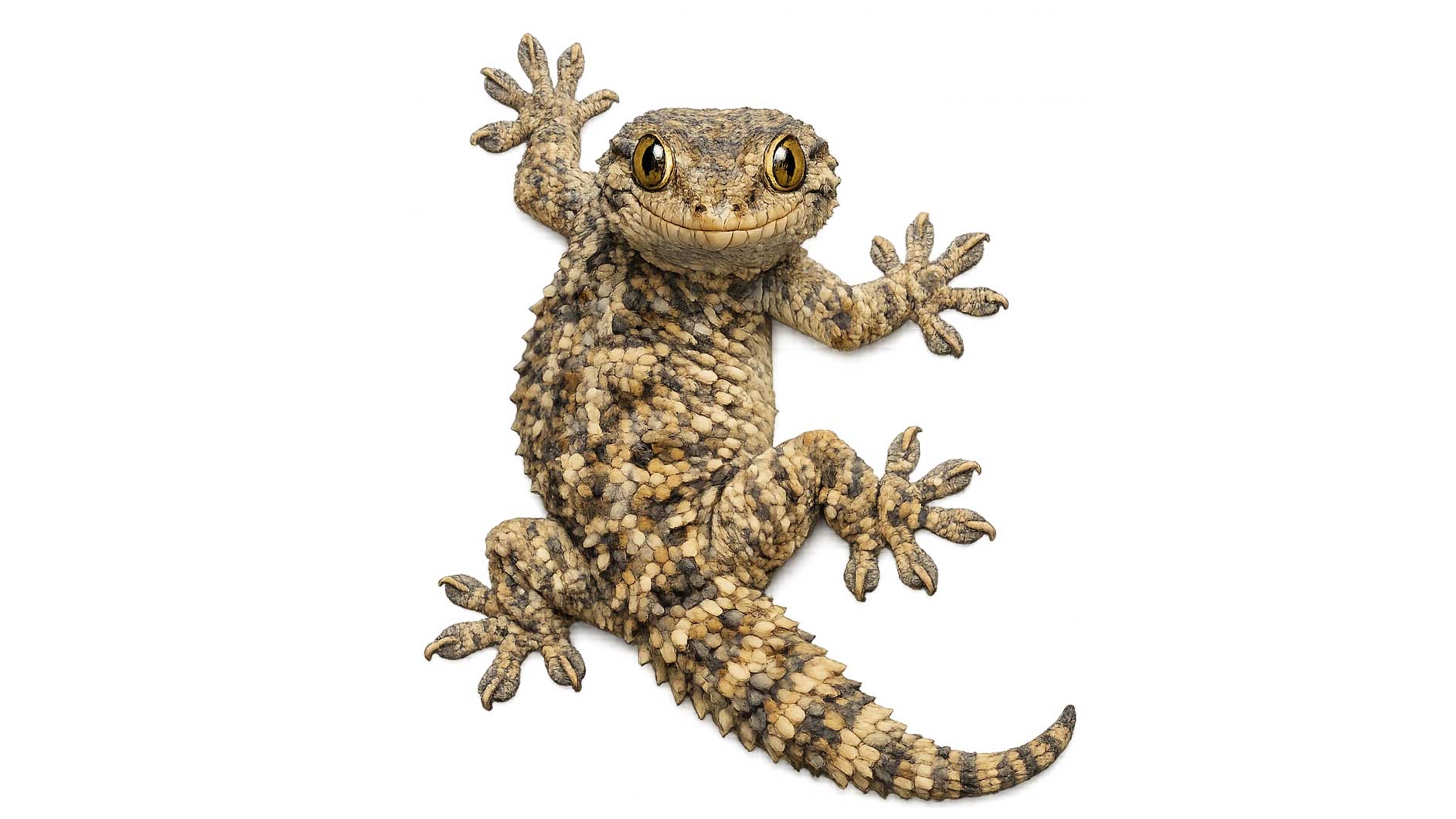
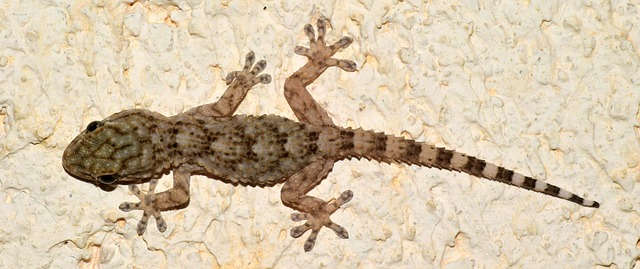
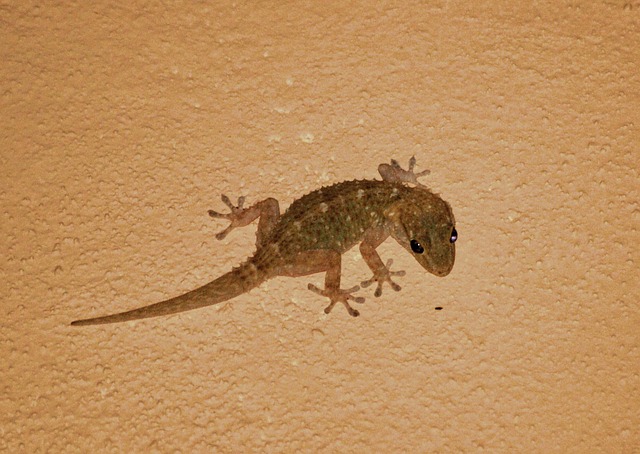
If you’ve recently moved to Spain or you’re visiting for the first time, there’s a decent chance you’ll have your first gecko encounter sooner rather than later. We have several around the house and outbuildings, the smooth Mediterranean House Geckos tend to be found close to the house, the lumpy Moorish Geckos spend their time in the sheds and out buildings.
You’ll spot them on walls at night, stuck to ceilings, or darting behind a cupboard when you flick the light on. For some people it’s fascinating. For others it’s a full-blown what the hell is that moment.
What Are Geckos?
The geckos you’ll see in southern Spain are most commonly are
Moorish Gecko (Tarentola mauritanica)
Around 12–16 cm long including the tail, the body itself is roughly 6–8 cm, they look chunky, warty-looking, a bit prehistoric
Mediterranean House Gecko (Hemidactylus turcicus)
Semi-translucent, especially on walls at night, around 8–10 cm total length, slimmer and more delicate than the Moorish gecko.
They’re:
- Nocturnal
- Excellent climbers
- Completely harmless
They’ve evolved to live very comfortably alongside humans, which is why they seem so relaxed about hanging out on your walls.
Why Are There So Many Geckos in Spain?
Simple answer: Spain suits them perfectly because geckos love:
- Warm climates
- Stone walls and buildings
- Outdoor lighting (because insects gather there)
- Quiet corners and cracks
Modern homes, rural properties, townhouses, and even apartment blocks are ideal gecko habitat. In places like Almería, where it’s warm, dry, and full of insects, they thrive.
If you have outside lights on at night, you’re basically running an all-you-can-eat gecko buffet.
Are Geckos Dangerous?
No they’re not dangerous
- They don’t bite (and even if they did, it wouldn’t hurt)
- They’re not poisonous
- They don’t carry diseases that affect humans
- They’re not aggressive
- They won’t attack pets
Do Geckos Carry Salmonella?
Technically, like most reptiles, geckos can carry salmonella bacteria. In reality the risk is extremely low, you’d have to handle them and then not wash your hands and having seen how fast they are, catching them would be an achievement.
Why Are Geckos in My House?
Geckos come indoors because windows are left open and their food, insects, come indoors. Houses are warm places to hang out in at night and there are good hiding spots provided by the humans.
They don’t chew wires, don’t damage furniture, don’t nest in insulation and don’t infest houses.
They might leave tiny poops near lights, but as housemates go they are pretty clean and useful.
What Do Geckos Eat?
This is where they earn their keep, they happily eat
- Mosquitoes
- Flies
- Moths
- Ants
- Other small insects
What to Do If You Find a Gecko Indoors
Option 1: Leave it alone
This is what most locals do. It will usually disappear on its own.
Option 2: Encourage it outside
Open a window or door, turn off indoor lights but leave outdoor lights on, they’ll often head straight out on their own.
Can You Get Rid of Geckos Permanently?
Realistically? Not entirely. You can reduce the chance of them in the house by sealing cracks around windows and doors, using insect screens, turning off unnecessary outside lights at night.
But in warm parts of Spain, geckos are part of the scenery. Like ants, lizards, and sunburn, they come with the territory.
Are Geckos Protected in Spain?
Yes — geckos are protected wildlife in Spain.
That means you shouldn’t kill them and you shouldn’t deliberately harm them
Leaving them alone or gently guiding them outside is the correct approach.
A Quick Reality Check for Newcomers
If geckos freak you out, that’s understandable at first. They move fast, appear out of nowhere, and ignore the usual rules of gravity.
But once you’ve lived in Spain a while, most people go from “Get it out of the house!” to “Ah (insert human name) the gecko’s back.”
They’re quiet, useful, and completely uninterested in you.
Remember
Geckos in Spain are normal, harmless and helpful. If you’ve got geckos, you’ve probably got fewer mosquitoes, and that’s a trade most people are happy to make.